
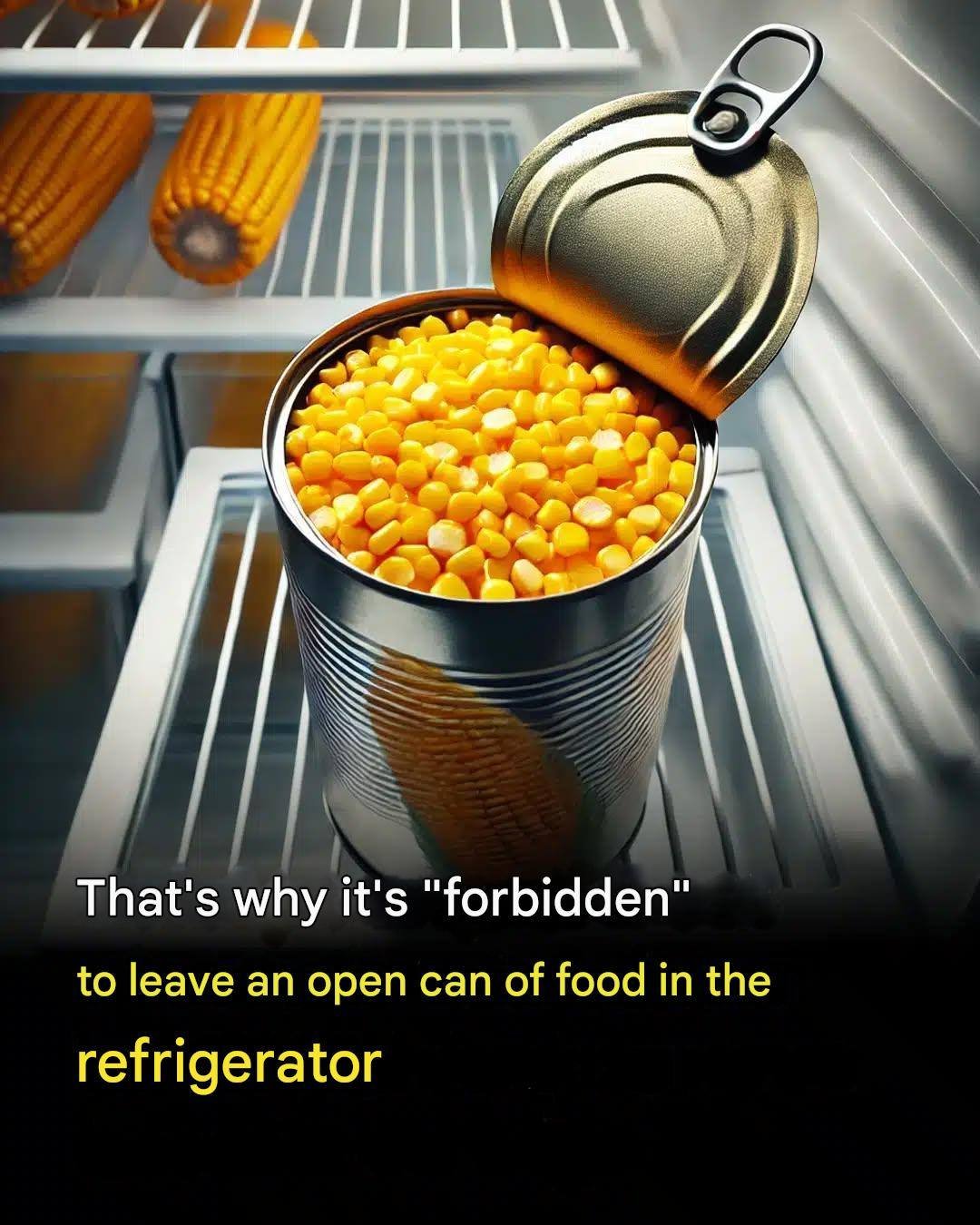
While canned goods are kitchen staples for their convenience and long shelf life, a common mistake is putting an opened can directly into the refrigerator. This habit can compromise both food safety and quality. Here’s why you should always transfer the contents and how to do it properly.
The Risks of an Open Can in the Fridge
Chemical Contamination & Off-Flavors
Once opened, the interior metal (often tin or aluminum) is exposed to air and moisture, leading to oxidation. This can cause:
A noticeable metallic taste in your food.
The potential transfer of minute metal particles into the food, especially with acidic items like tomatoes or fruits.Kitchen supplies
Increased Risk of Bacterial Contamination
The refrigerator slows but does not stop bacterial growth. An open can creates several hazards:
Exposed Edges: The cut lid and can edges are difficult to clean and can harbor bacteria like Salmonella, E. coli, and Listeria, which may contaminate the food.
Ideal Environment: Air and moisture inside the fridge promote microbial growth on the exposed food surface.
Botulism Risk: While extremely rare, the Clostridium botulinum spores can be present in soil and may contaminate food. An unsealed, low-oxygen environment (like deep within a canned food) in the fridge could theoretically allow growth.Groceries
Accelerated Food Spoilage & Waste
continued on the next page
ADVERTISEMENT
