
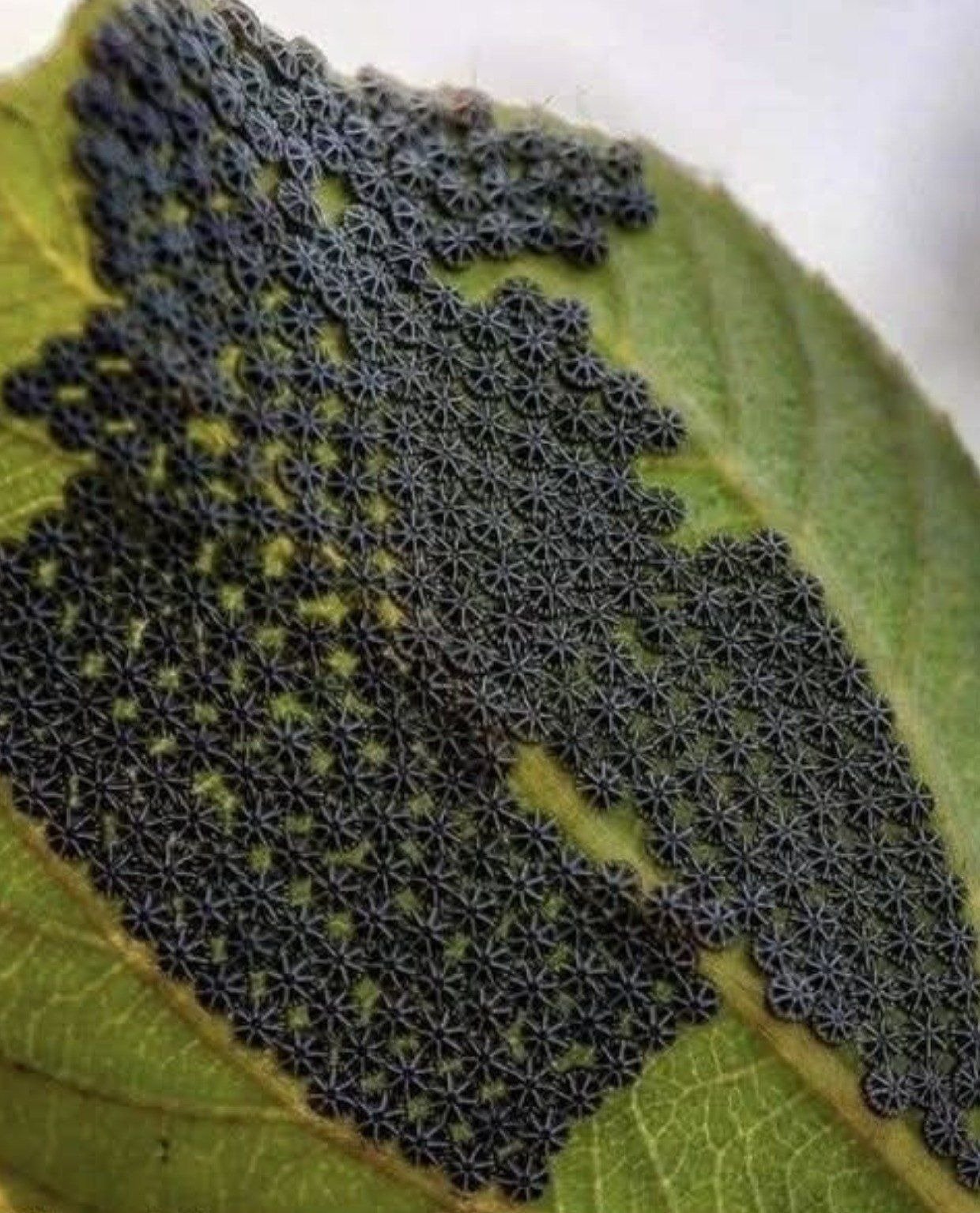
2. Toxic & Aggressive Fungi to Never Touch
🍄 A. Sooty Mold
What to Watch For: Black, soot-like layer on leaves or stems.
Linked To: Sap-feeding insects like aphids and whiteflies.
Risks:
Harmless to humans but encourages mold allergies and weakens plants.
Action:
Eliminate the insects first, then wipe leaves with a mild soap solution.
⚫ B. Black Spot Fungus (Diplocarpon rosae)
Target: Roses and other flowering plants.
Symptoms: Circular black spots on leaves with yellow halos.
Dangers:
Causes defoliation.
Spores spread rapidly, especially on hands or tools.
Steps to Handle:
Don gloves.
Remove infected leaves and bag them immediately.
Disinfect tools after use.
🍄 C. Powdery Mildew
Appearance: White, powdery residue on leaves and stems.
Risks:
Some strains release airborne spores that cause allergic reactions or respiratory irritation.
Safe Removal:
Wear a mask and gloves.
Mix 1 part milk to 9 parts water and spray the affected areas.
Repeat weekly.
✅ Step-by-Step Method to Handle Dangerous Pests & Fungi
🔍 Step 1: Identification
Regularly inspect plants (especially under leaves and near the soil).
Use a magnifying glass to confirm signs of pests or spores.
🧤 Step 2: Protection
Always wear:
Gloves
Long sleeves
A mask for spores or dusty infestations
🧼 Step 3: Isolation
Quarantine infected plants to stop the spread.
Place them far from healthy plants—at least 3 feet away.
🗑️ Step 4: Removal
For pests: Use organic insecticidal soap or traps.
For fungi: Cut affected parts and use fungicidal spray or natural remedies like neem oil.
🧽 Step 5: Disinfection
Soak tools in a 1:10 bleach solution.
Wash hands and clothes after handling.
📆 Step 6: Monitor
Re-check affected plants every 2–3 days.
Repeat treatment if necessary.
🚫 What NOT to Do
Don’t use bare hands to squish or brush off pests/fungi.
Don’t compost infected leaves—this spreads spores.
Don’t ignore small patches; they grow fast.
🌱 Conclusion: Prevention is Protection
The best way to protect your plants—and yourself—is through knowledge and caution. Some pests and fungi are not just nuisances; they’re health risks. Always approach unknown plant problems with gloves on and tools in hand. If in doubt, take a photo and consult an expert or gardening group before acting.
By identifying and treating these dangers safely, you’ll grow stronger plants and keep your home a safe, green sanctuary.
ADVERTISEMENT
